
When a Property Survey Helps Resolve Unclear Access Between Neighboring Buildings
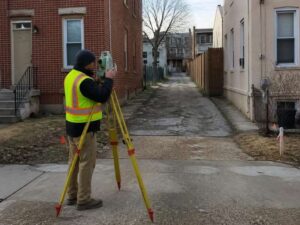
Who actually owns that shared driveway? In Baltimore’s older blocks, the answer is often a shrug. Buildings sit close together, alleys wind behind them, and access has run on habit for decades. A property survey gives you a clear picture of where things really sit. It maps the boundaries, the structures and the access areas that shape how neighbors get in and out. This article shows when a survey helps sort out access questions before they turn into a fight.
When Does a Property Survey Help With Access Problems Between Buildings?
A property survey can clarify the physical relationship between neighboring properties. It shows boundaries, existing features, access areas and conditions that affect shared use. That picture helps when access is unclear or disputed.
These are the access questions a survey often touches:
- Driveways that two owners both use
- Shared walkways between buildings
- Parking access that crosses a line
- Service or rear entrances
- Alley access behind the lots
Older Baltimore properties make these questions common. Narrow lots, shared alleys and long-standing access habits are everywhere. People assume the pattern they’ve always used is official. A survey shows what the ground and the records actually say.
How a Property Survey Reveals Where Access Areas Actually Exist
A survey plots the real, measured position of what’s on the ground. It shows boundaries, structures and improvements against the recorded lines. That includes driveways, paved areas, entrances and features near the property line.
Here’s the part that trips people up. What a neighbor has used for years is not always what they own or have a right to. Habit and legal right are two different things. A survey shows the physical layout and any easements already recorded on the plat. It does not, on its own, decide who has the legal right to use an area. That answer comes from title records and a real estate attorney.
Why Older Buildings Often Have Complicated Access Arrangements
Older blocks were built to different rules. Many rowhouses share rear alleys because that’s how the block was laid out. Front lots are narrow, so parking and service access moved to the back. Some buildings went up before modern planning standards set clear access requirements.
That history leaves messy access on the ground today. A single alley may serve a dozen rear doors. A driveway may have been shared by handshake three owners ago. None of it is written down in a way anyone can find fast. A survey brings that tangle into one clear drawing you can actually use.
How Survey Information Helps Owners Address Access Questions Before Renovations or Sales
Access questions get expensive at the worst moments. Right before a renovation. Right before a sale. A property survey puts the facts on the table early, so the deal or the project doesn’t stall.
Say you’re adding on to the building. The survey shows whether the new wall crowds a shared drive. If you’re changing parking, the survey shows what space you actually control. For a commercial renovation or an ownership transfer, clear access data keeps everyone honest.
A survey helps more than just the owner. Buyers see what they’re really getting. Contractors plan around real access, not assumptions. Attorneys and designers work from the same accurate base. Fewer surprises means fewer arguments later.
Why Property Owners Should Clarify Access Conditions Before They Become a Problem
The best time to sort out access is before anyone’s upset. A survey before you buy tells you what access comes with the property. Order one before construction so your plans respect the real lines. And before you change a shared area, get it checked, because that’s when neighbors start paying attention.
Waiting until a dispute is already hot costs you money and goodwill. By then, lawyers are involved and the mood is bad. Early clarity keeps a small question from becoming a legal fight. A survey is a cheap step compared to that outcome.
One honest note: a property survey shows physical conditions and recorded features as of the survey date. It supports a decision, but it doesn’t settle legal access rights by itself. Pair it with title work and legal advice when a real dispute is on the line.
If you own or plan to buy a Baltimore property with shared or unclear access, talk to a licensed surveyor first. Ask what a property survey would show for your specific site. Clearing up access early is far easier than untangling it later.
For a free land surveying quote, call us at (410) 883-5300 or send us a message by going here.
Posted in land surveying, land surveyor | Tagged Boundary Survey
