
How a Due Diligence Survey Helps Investors Evaluate Older Properties Before Purchase
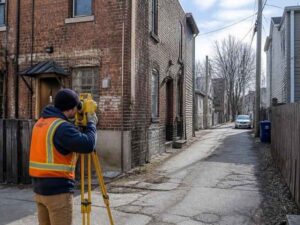
Baltimore is full of old brick buildings with long histories and thin paper trails. Investors love the price and the character. The problem shows up later, once the deal closes and the real site does not match the file. A due diligence survey gives buyers a clear read on an older property before they sign. It shows what sits on the land, where the lines fall and what could slow down future plans. This article covers what that survey tells you and why smart investors order one early.
Why Older Properties Require More Investigation Before Investors Commit
Old buildings hide things. Records from decades ago may be missing, wrong or never filed at all. A porch was added in 1975. A shed went up without a permit. A neighbor’s fence crept over the line years ago and nobody noticed. These small changes stack up. What the deed says and what stands on the ground can drift apart over time.
Older sites also carry work that was never mapped. Someone paved a side lot. A utility line was rerouted. An old easement still sits on the books even though the use ended long ago. A survey catches these gaps before they become your problem. It turns guesswork into facts you can price and plan around.
What a Due Diligence Survey Reveals About an Existing Property Site
A due diligence survey answers the questions investors actually care about. Where does the property really begin and end? What is built on it right now? What rights do other people hold over the land?
Here’s what a survey typically shows on an older site:
- Property boundaries and how they match (or miss) the recorded lines
- Existing structures and where they sit relative to the lines
- Paving, walls and other improvements on the ground
- Access points and shared driveways
- Easements, encroachments and use restrictions
Each item feeds a decision. A boundary that sits three feet off changes your buildable area. An easement across the back limits where you can add parking. Knowing this before purchase means you buy the real property instead of the one you imagined.
How Survey Information Helps Identify Potential Development Challenges
Most investors buy an older property with a plan. Add units. Expand the footprint. Convert the use. The survey shows whether that plan actually fits the site.
Say you want to expand the building. The survey may show setback limits that block the addition. Say you want more parking. The survey may reveal an easement or a slope that eats the space. These are not deal-killers by default. They are numbers you want before you commit, not after.
Early survey work also flags redevelopment room you might miss. Maybe a corner of the lot is bigger than the listing claimed. Maybe a recorded easement can be released. Finding this out during due diligence gives you time to plan or renegotiate. Surprises during construction cost far more than survey fees.
Why Accurate Property Information Matters During Commercial Acquisition Decisions
You are not the only person who relies on the survey. Lenders want to see it before they fund a loan on an older building. Architects need real dimensions to draw anything usable. Contractors bid tighter when they know what they’re standing on.
Accurate site data supports the money side too. Your budget rests on real square footage and real limits, not a guess. Your project timeline depends on knowing site conditions up front. Feasibility reviews fall apart when the base numbers are wrong. And during negotiation, a single survey finding can be worth real dollars off the price.
One honest caveat: a survey shows conditions as of the day it’s done, and it works best when a licensed surveyor reviews the specific parcel. It’s a strong tool, but it won’t predict everything. Pair it with title work and a good inspection for the full picture.
Why Investors Should Complete Property Due Diligence Before Closing
Buying an older property without a survey is a bet. You are trusting old records and a hopeful listing. If the lines are wrong or an easement blocks your plan, you find out when it’s too late to walk away. That’s an expensive way to learn.
A due diligence survey early in the process changes the odds. You get real information while you still have room to act. You can adjust your offer, plan the project right or pass on a bad site with no regret. The fee is small next to a six-figure surprise.
If you’re eyeing an older commercial or mixed-use building in Baltimore, talk to a licensed surveyor before you close. Ask what a due diligence survey would show for that specific parcel. A short conversation now can save you from a costly problem later.
Frequently Asked Questions
What is a due diligence survey?
A due diligence survey is a property survey completed before a purchase to help buyers evaluate a property’s existing conditions. It provides information about boundaries, structures, access areas, easements, and other site features that may affect ownership or future plans.
How is a due diligence survey different from a regular boundary survey?
A boundary survey focuses primarily on locating property lines. A due diligence survey provides a broader review of the property by examining additional factors such as improvements, access, easements, and potential issues that may impact a purchase or development decision.
Do older properties need a due diligence survey before purchase?
Older properties often have a longer history of changes, additions, and modifications that may not fully match existing records. A due diligence survey helps investors identify differences between current site conditions and available documentation before completing a purchase.
Who uses information from a due diligence survey?
Investors, developers, lenders, architects, engineers, and contractors may use information from a due diligence survey. The survey helps these professionals understand the property conditions and make better decisions about acquisition, financing, design, and future improvements.
When should I order a due diligence survey?
A due diligence survey should be ordered during the evaluation period before closing on a property. Completing the survey early gives buyers time to review the findings, address concerns, and make informed decisions before finalizing the purchase.
For a free land surveying quote, call us at (410) 883-5300 or send us a message by going here.
Posted in land surveying, land surveyor | Tagged ALTA Survey
