
Buying Commercial Property in Maryland? Add an ALTA Survey to Your Due-Diligence List
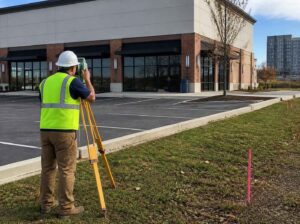
Buying commercial property in Maryland moves fast once the clock starts. You review titles, check leases, and line up a lender, all at the same time. In that rush, one tool saves buyers again and again: the ALTA survey. It maps the boundaries, the easements, and anything that crosses the line. Order it early, and you get answers while you can still act on them. Wait too long, and the same facts arrive after your options have shrunk.
Order the ALTA Survey Before Due Diligence Gets Tight
Due diligence periods feel long on day one and short by the end. An ALTA survey takes real time, since the surveyor visits the site, reviews title papers, and drafts the map. So the sooner you order it, the more room you have to react. Early ordering also lets your attorney and lender ask questions while the deal still has flexibility.
Think about how many moving parts a commercial deal has at once. You might be waiting on an appraisal, an environmental report, and a lender’s checklist, all at the same time. If the survey sits at the bottom of that list, it often becomes the last piece to arrive, right when you have the least time to react.
Rush the survey, and you may get the drawing days before closing. At that point a surprise easement or encroachment can force a hard choice. You either accept the risk or scramble to renegotiate. Neither spot is where a buyer wants to be. A late surprise also puts pressure on your lender, who may need more time to review the same issue before funding the loan.
Match the Legal Description to the Property You Are Buying
The address on the listing is not the same as the legal description. Deeds, title commitments, and tax records can each describe the land a little differently. Sometimes a fence or building sits outside what the paperwork actually conveys. An ALTA survey lines up these documents against the real ground.
This kind of gap is more common than most buyers expect, especially with older commercial parcels that have been split, combined, or resurveyed over the years. A loading dock or a parking row built decades ago may creep past the recorded line without anyone noticing until a new survey is run.
When the descriptions disagree, you want to know before money changes hands. A gap between record and reality can shrink your usable land or cloud your title. The survey flags that gap early. Then your team can clear it while contingencies still protect you, rather than after you already own the building.
Pick Table A Items Based on How You Will Use the Site
An ALTA survey offers optional add-ons called Table A items. You choose them, so the survey should match your plans. A buyer who wants to redevelop needs different details than one who just wants steady rent. Parking counts, zoning notes, utility locations, and access details all fall into these choices.
It helps to think a few years ahead, not just about closing day. If you might add a second building, expand parking, or change how tenants use the site, say so before the survey is ordered. Adding the right items now costs far less than paying for a second survey later because you left something out.
Talk with your surveyor, attorney, and lender about the end goal. If you plan to expand, ask for the items that show room and limits. If a lender requires certain notes, add those too. Smart choices here keep the survey useful long after closing, not just as a one-time closing document.
Read Easements as Business Limits, Not Lines on a Map
Easements look like thin lines on a drawing, yet they can shape how you run the property. A utility corridor may block the spot where you wanted a loading dock. A shared access route may let another owner cross your lot every day. So each easement deserves a real business review. Look closely at the ones that touch these areas:
- Drives and entrances your trucks or customers rely on
- Ground where you plan a building, addition, or parking row
- Utility corridors that limit digging or permanent structures
Walk the site with the survey in hand if you can, rather than only reading it at a desk. Standing where a proposed loading dock would sit, and seeing the utility line marked a few feet away, makes the risk easier to understand than a note buried in a legal description.
Once you see how each one affects daily use, you can plan around it. That beats finding out after you own the place, when moving a driveway or relocating a dock area is far more expensive and far harder to negotiate.
Turn Survey Findings Into Decisions Before Closing
A survey only helps if you act on what it shows. Once the drawing arrives, gather your team and review it together. Buyers, attorneys, lenders, and title staff each read it for different risks. Together they can spot encroachments, exceptions, or access gaps that need attention.
Set aside real time for this review instead of treating it as a quick sign-off. A short meeting where each person flags their concerns often catches issues that a single reader would miss, especially on a larger commercial site with several buildings or shared access points.
The goal is to solve problems while contingencies still stand. You might ask the seller to fix an issue, adjust the price, or add a title endorsement. Handle it now, and the closing stays clean. Push it off, and the problem becomes yours the day you take the title, with far fewer options to fix it.
Frequently asked questions
Why order an ALTA survey early instead of waiting until closing gets close?
Because it takes real time to complete, and rushing it means you may only see the results days before closing. Ordering early gives you room to fix problems while your contract still gives you leverage.
What happens if the legal description does not match the property on the ground?
It can mean less usable land than you expected, or a cloud on the title. The survey catches this early, so your attorney can resolve it before you own the property.
What are Table A items, and why do they matter?
They are optional details you can add to an ALTA survey, such as zoning notes, utility locations, or parking counts. Choosing the right ones depends on how you plan to use the site.
Do easements really affect daily business operations?
Yes. An easement can block a planned loading dock, limit where you can dig, or give another party the right to cross your land. Reviewing them early avoids costly surprises later.
Who should review the survey before closing?
Buyers, attorneys, lenders, and title staff should all look at it. Each one tends to catch different risks, so a team review is more thorough than reading it alone.
For a free land surveying quote, call us at (410) 883-5300 or send us a message by going here.
Posted in ALTA Survey
