
Why Commercial Property Owners Update ALTA Surveys Before Refinancing Older Buildings
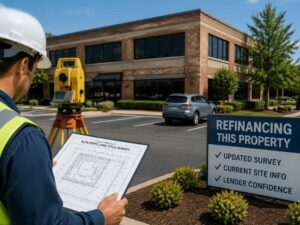
Refinancing an older commercial building often starts a fresh look at the site, and an updated ALTA survey sits at the center of it. Lenders want current information before they approve new financing, because a lot can change on a property over the years. Additions, new parking or a rebuilt entrance may never have made it into the old records. So owners refresh the survey to give the lender an accurate view instead of an outdated one.
An older building tends to collect small changes that add up. Each one might have seemed minor at the time, yet together they can shift how the site works and what it’s worth. A current survey brings all of that back into focus, which gives both the owner and the lender a shared, honest picture to work from.
Refinancing Can Trigger a Fresh Review of Site Conditions
When an owner applies to refinance, the lender takes a hard look at the property backing the loan. Part of that review checks whether the site matches its paperwork. An outdated survey leaves gaps that make a lender uneasy, and an uneasy lender tends to slow the whole process down.
A fresh ALTA survey fills those gaps with what exists on the ground today. It shows the buildings, access and improvements as they stand now, not as they stood years ago. That current record gives the lender the confidence to move forward, and it spares the owner a string of follow-up questions.
A current survey can also speed up the appraisal that usually rides alongside a refinance. Appraisers work better with a clear, up-to-date drawing of the site than with a patchwork of old notes. When the survey and the appraisal agree, the whole file moves through underwriting with less friction, which shortens the wait for the owner.
Older Buildings Often Have Changes Not Shown in Old Records
Time changes a commercial site in ways the original drawings never captured. Over the years, an owner may add parking, install new signs or extend a loading area. Utilities can move, and small structures can appear without anyone updating the survey to match.
Older commercial properties often show changes like these:
- New or expanded parking areas added after the last survey
- Signs, poles or utility lines placed in fresh spots
- Small additions or outbuildings not on old drawings
- Reworked driveways or entrances that shifted access
Updated ALTA Surveys Help Compare Title Records With Current Use
Title records describe what the property should include, while the survey shows what’s really there. Lining the two up reveals whether the legal record still matches everyday use. When they drift apart, an owner wants to know before the loan closes rather than after.
An updated ALTA survey makes that comparison possible in a clear form. It ties the title details to the actual site, so any gap stands out at a glance. Spotting a mismatch early keeps it from stalling the financing later, and it gives the owner time to sort out the fix.
Why Lenders Look Closely at Access, Parking and Easements
Lenders study access, parking and easements because those features drive how well a property performs. A building that cars can’t reach easily, or one with parking tangled in a dispute, carries more risk. That risk affects both the loan terms and the lender’s willingness to approve it in the first place.
An easement that limits use can quietly shrink what an owner controls. When the survey lays out these details, the lender can weigh them fairly instead of assuming the worst. Clear information leads to a smoother decision on both sides, and often to better terms for the owner.
Owners sometimes forget how much a parking count matters to a lender. A commercial building leans on its parking to keep tenants and customers happy, and any dispute over those spaces raises a flag. A survey that shows the parking clearly, along with the rights behind it, answers the lender’s biggest questions before they even come up.
When an Old ALTA Survey May No Longer Be Enough
An old survey can still hold value, yet it loses reliability once the property changes. If an owner has added structures, reworked parking or altered access since the last survey, the old drawing tells only part of the story. At that point, a lender usually asks for a current version before going further.
Age alone doesn’t make a survey useless, but real changes to the site do. The bigger the shift, the more likely the old data falls short of what the lender needs. Refreshing it keeps the refinancing from stalling over questions the owner could have answered up front.
Frequently Asked Questions
Why update an ALTA survey before refinancing?
Lenders base their decision on the property as it stands today, so they need current site and title information. An updated survey gives them that accurate view and keeps the loan process from bogging down in questions.
Can an old ALTA survey still be used?
Sometimes, if little has changed on the property since it was made. Once an owner adds structures, alters parking or shifts access, though, the lender will likely want a new one to match today’s site.
What changes can make an ALTA survey outdated?
New improvements, altered access, fresh easements, reworked parking or boundary adjustments can all age a survey quickly. Any of these can leave the old drawing out of step with the real site.
For a free land surveying quote, call us at (410) 883-5300 or send us a message by going here.
Posted in ALTA Surveys